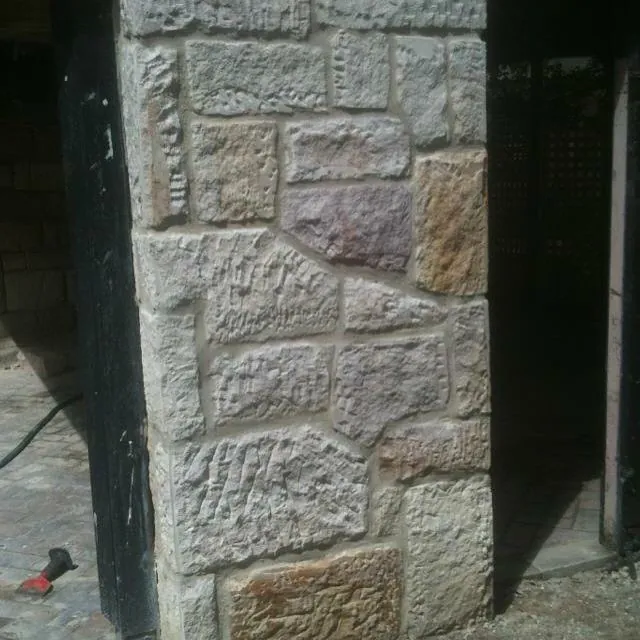
Foundation Underpinning — Newtown
A heritage brick terrace in the Inner West suffering from differential settlement. Case study: traditional underpinning, brickwork stitching, and re-levelling completed without disturbing the heritage facade.
What was wrong when we arrived
A late-Victorian single-storey terrace in Newtown had dropped about 60mm at the front corner. The brickwork above the front window had cracked in a classic diagonal stair-step pattern that tracked from the window head up to the cornice.
The cause was a failed stormwater drain running under the front footing. The drain had been leaking for years, washing the fines out of the founding soil and leaving the brick footing sitting on air pockets.
The owner had been told by one foundation contractor that the whole front wall needed to come down and be rebuilt. The heritage advisor said that would have triggered a full heritage approval and six months on a DA.
How we fixed it
We worked with a structural engineer who specified traditional mass-concrete underpinning in 1m bays. Five bays across the front, each dug by hand to the depth of sound founding soil — about 1.4m below the existing footing.
Each bay was filled with a low-water-demand concrete and left to cure for 72 hours before the next bay was opened. The sequence was critical — we never had more than one open bay at a time, so the wall above was always supported.
The stormwater drain was replaced with a new PVC run that was bedded in concrete and pressure-tested before backfill. We also fixed the downpipe connection that had been the original cause of the leak.
The structural crack above the front window was stitched back together using helical bar ties bedded into the mortar joints. No bricks were replaced. The diagonal crack is still visible on close inspection (it is a heritage terrace — that is part of the character) but it has not moved since.
What the client got
The front of the house has not moved further. A monitoring point was installed at the crack and the engineer has measured it quarterly for the year since completion. Zero movement.
The heritage facade was untouched. No DA was needed. The heritage advisor signed off the work on the basis that the underpinning was done by hand, in traditional materials, with the brickwork above left in place.
The total cost was about half of the rebuild quote. The engineer's spec was the same as it would have been for any underpinning job — the saving came from not demolishing and rebuilding the wall.
Questions about foundation underpinning
How do you underpin a heritage terrace without damaging the facade?
Traditional mass-concrete underpinning, done by hand in small bays. Each bay is about 1m wide. We open one bay, dig to sound founding soil, pour concrete, let it cure for 72 hours, then move to the next. The wall above is always supported. No demolition, no crack stitching injection that hides the problem.
How long does underpinning take on a residential terrace?
For a typical single-storey terrace, four to eight weeks depending on the number of bays. Two-storey terraces take longer. We give a real schedule before we start, including the engineer's inspection days, so you know when access is needed.
Will underpinning stop the cracks from coming back?
Yes, if the cause of the settlement has been fixed first. Underpinning without fixing the underlying cause (a leaking drain, a failed stormwater line, a tree root) is just papering over the problem. We will not quote underpinning without first identifying and fixing the cause.
Have a job like this one?
Send a few photos and a short description. Minas calls back the same day with either a quote, a site visit time, or an honest "not our job."